How to Know If Your Photograph Is Actually Good
Better gear and more tutorials can only take you so far. At some point, growth comes from learning how to see, edit, and judge your own photographs with more honesty.
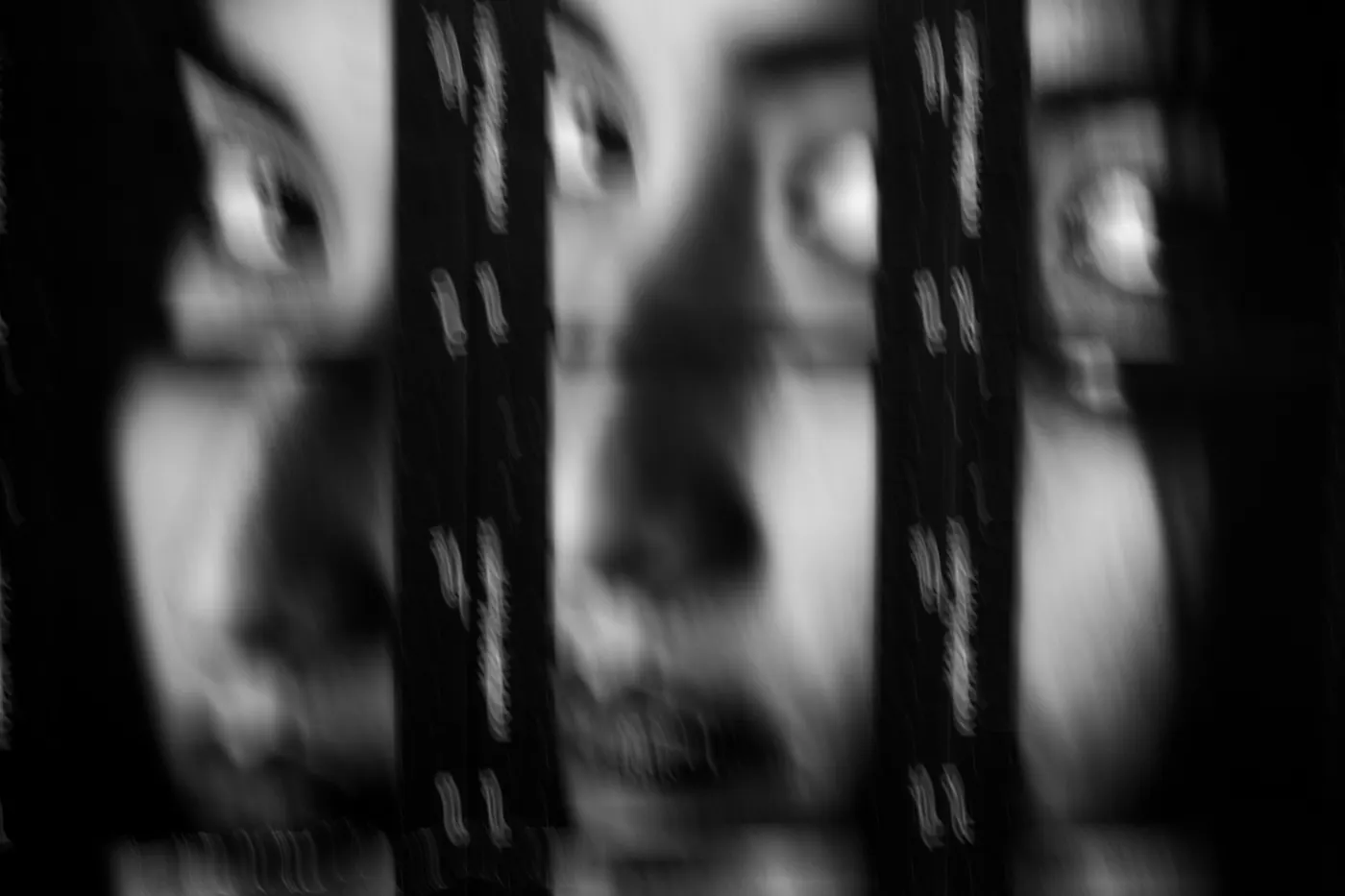

Photo by Leticia Curvelo on Pexels.
There is a stage in photography where another lens, another preset, or another YouTube tutorial stops solving the real problem. You know how to expose, focus, and process a file. Your photos are sharp enough. Your colors are pleasant enough. But some images still feel thin, while others from photographers you admire seem to hold attention in a way you cannot fully explain.
That is the point where you are no longer mainly training your camera skills. You are training your eye.
A good photograph is not simply one that follows the rule of thirds, has perfect sharpness, or gets a lot of likes. A good photograph makes clear visual choices. It guides attention. It gives the viewer something specific to notice. It has a subject, moment, relationship, or feeling that matters. Technical quality helps, but only when it serves the picture.
Start With What the Picture Is Trying to Do
Before you judge a photograph, ask one question: what is this picture trying to do?
A quiet landscape should not be judged like a sports photograph. A documentary image should not be judged like an abstract study of color. A family photograph may succeed because of gesture and memory, while a street photograph may succeed because of timing, tension, and the way several things line up at once.
This is why simple rules can mislead you. A centered subject can be strong. A messy frame can work. Blur can add life. Harsh light can be exactly right. The question is not whether the image obeys a rule. The question is whether the choices in the frame serve the intention.
If you cannot name the intention, start with what is visible. Where does your eye go first? What keeps your eye moving? What feels accidental? What would the photograph lose if one element were removed? Those questions are usually more useful than asking, "Do I like it?"
Learn to Separate Taste From Craft
Some parts of a photograph can be judged fairly clearly. Is the focus where it needs to be? Are the important tones clipped? Is the subject blocked by the background? Is there a bright object at the edge pulling attention away? These are visible craft questions.
Other parts are more personal. Does the image move you? Does it feel original? Does the mood matter? Does the ambiguity feel rich or just confusing? People can honestly disagree about those things.
The mistake is treating all disagreement as proof that photography is completely subjective. It is not. If ten viewers fail to notice the subject you thought was obvious, that tells you something. If several strong photographers point to the same distracting edge, that tells you something. If viewers disagree about whether they love the image but all describe the same intended tension, the photograph may be working.
Use disagreement as information. Do not use it as an excuse to avoid looking closely.

"Namaka - Contact sheet art photography" by Alexandre Dulaunoy, licensed under CC BY-SA 2.0, via Wikimedia Commons.
The Frame Is an Attention System
Composition is not a grid. It is attention management.
The eye is pulled by brightness, contrast, faces, sharp edges, color, scale, text, gesture, and familiar objects. A small bright patch at the edge can beat your main subject. A hand lost against a dark coat can erase the most human part of the picture. A pole behind a head can make an otherwise good moment feel careless.
When you review your own work, look at the photograph small first. Squint at it. What remains visible? What is loudest? Then enlarge it and inspect the edges. Many weak photographs are not weak because the subject was bad. They are weak because the frame gave too much power to something unimportant.
In the field, the fix is often physical. Move left. Lower the camera. Wait half a second. Let a person clear the edge. Put the subject against a cleaner background. Change your vantage point before changing your settings.
Timing Is More Than Catching Action
Timing matters in every kind of photography, not just street, wildlife, or sports.
In a portrait, timing may be the half-second when the face stops posing. In a landscape, it may be the minute when light separates the foreground from the ridge. In architecture, it may be the hour when shadows finally give the building shape. In a family photograph, it may be the instant when a hand, glance, or body angle makes the relationship visible.
A useful review question is: why this moment instead of the one just before or just after?
If the answer is only "because that is when I pressed the shutter," the photograph may be between moments. If several things peak together - gesture, light, spacing, expression, color, background - the picture usually feels more alive.
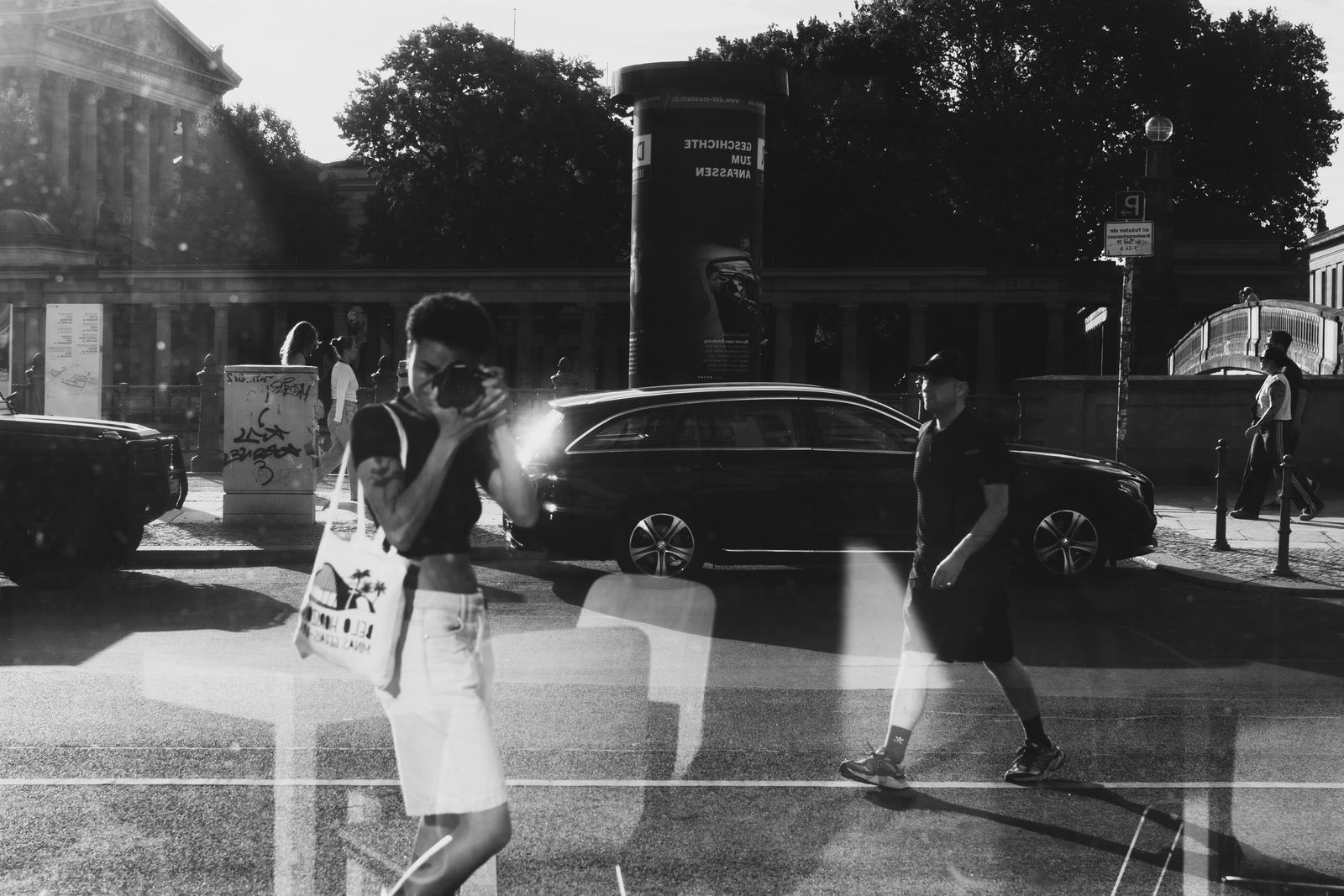
Photo by cami on Pexels.
Edit Like the Viewer Was Not There
One of the hardest parts of judging your own photographs is forgetting what it felt like to make them.
You remember the hike, the cost of the trip, the patience, the person you photographed, the cold, the luck, the effort. The viewer usually sees none of that. They only see the frame.
That is why serious editing needs distance. Do a first pass soon after shooting, then come back later. Put similar frames beside each other. Do not ask which one was harder to make. Ask which one communicates more clearly. Which has the better gesture? Which edge is cleaner? Which one holds attention after the first glance?
Contact sheets are valuable because they show how small differences matter. One frame may have the same subject and light as the next, but the hand is clearer, the background is calmer, or the relationship between two people is stronger. Learning to explain those small differences is one of the fastest ways to develop your eye.
Ask Better Critique Questions
"Is this good?" is usually too vague. "Do you like it?" often gives you taste, not diagnosis.
Ask questions that reveal what the photograph is doing:
What did you notice first, second, and third?
What do you think is happening without a caption?
Where does the frame feel distracting?
Which of these two versions would you keep, and what visible difference decides it?
What feeling, if any, did you get before I explained the picture?
Get answers before you explain the story behind the image. If people need your story to care, the photograph may not be carrying enough on its own. Context can matter, especially in documentary work, but it should be a second layer, not the only reason the picture works.
This is also where a product like Miru fits naturally. The value is not that software can replace your judgment. It is that structured critique can slow you down, point to specific visual problems, and help you compare close choices without getting trapped by memory or effort.
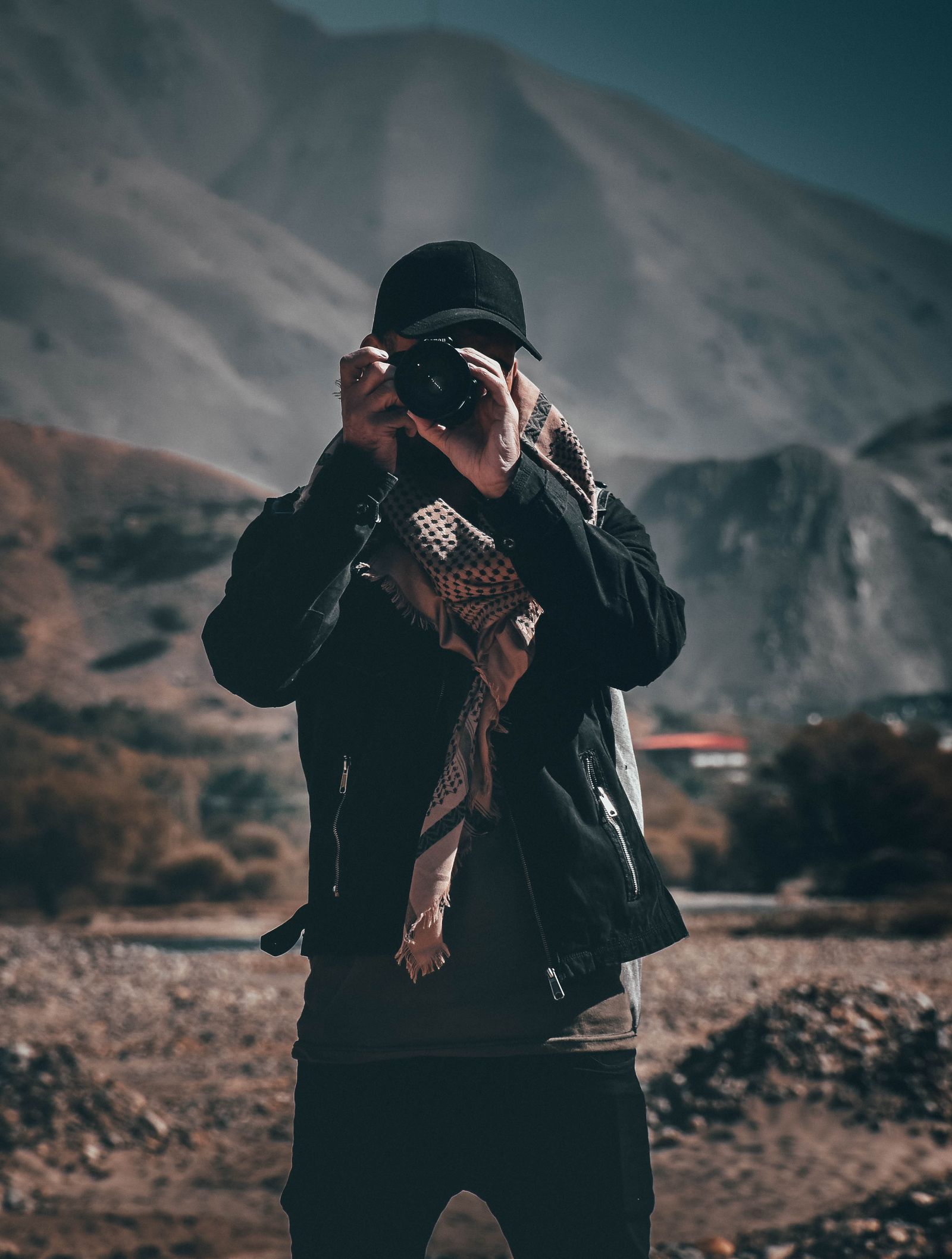
Photo by Suliman Sallehi on Pexels.
A Simple Rubric for Your Own Photos
Do not turn art into a math problem. Still, a rubric can help you see patterns. Use it as a diagnostic tool, not as a final verdict.
Score each image from 1 to 5 on these questions:
Frame: Does the composition guide attention clearly?
Light: Does the light reveal, separate, or transform the subject?
Timing: Why this moment?
Subject: Is there something specific here, not just a category of thing?
Technical choices: Do focus, exposure, shutter speed, and processing help the image?
Feeling: Does the photograph reward more than quick recognition?
Intent: Does the result match what you wanted the viewer to experience?
The total score matters less than the shape of the score. A photograph with modest technical quality but strong timing and emotion may be worth keeping. A technically perfect image with weak subject and no feeling is probably not a strong photograph.
Over time, look for repeated weak spots. Maybe your edges are careless. Maybe your timing is late. Maybe your color is decorative instead of structural. Maybe you are choosing dramatic subjects but not making specific pictures of them. Once you know the pattern, you know what to practice.
Train the Eye With Constraints
The eye improves through repeated comparison. Constraints make that comparison easier.
Try an edges-first walk: one lens, no cropping, and before each exposure inspect all four edges. Try a twelve-position exercise: photograph one ordinary subject from twelve different heights, distances, and angles. Try a same-subject light study: return to one scene in morning, noon, evening, shade, and bad weather. Try a two-second test: show a photograph briefly and ask viewers what they noticed first.
These exercises are simple, but they train the part of photography that gear cannot fix. You begin to notice relationships before you shoot. You see when a background is about to ruin a gesture. You recognize when light is making the wrong thing important. You become less dependent on fixing things later.
A Twelve-Week Way to Practice
For the next three months, spend less time collecting tutorials and more time making focused work. A good weekly rhythm is two short constrained shoots, one close study session with photographs you admire, one editing session, and one round of outside feedback.
Weeks 1 to 3 can focus on frame, edges, vantage point, and light. Weeks 4 to 6 can focus on color, tone, gesture, timing, and attention. Weeks 7 to 9 can focus on story, editing, and voice. Weeks 10 to 12 can focus on context, sequencing, and comparing new work against older work.
At the end, do not ask whether every photo is better. Ask whether your judgment is sharper. Are your edits tougher? Can you explain why one similar frame beats another? Do viewers notice what you intended? Are your strongest twelve photographs more consistent than they were three months ago?
Those are better signs of progress than likes.
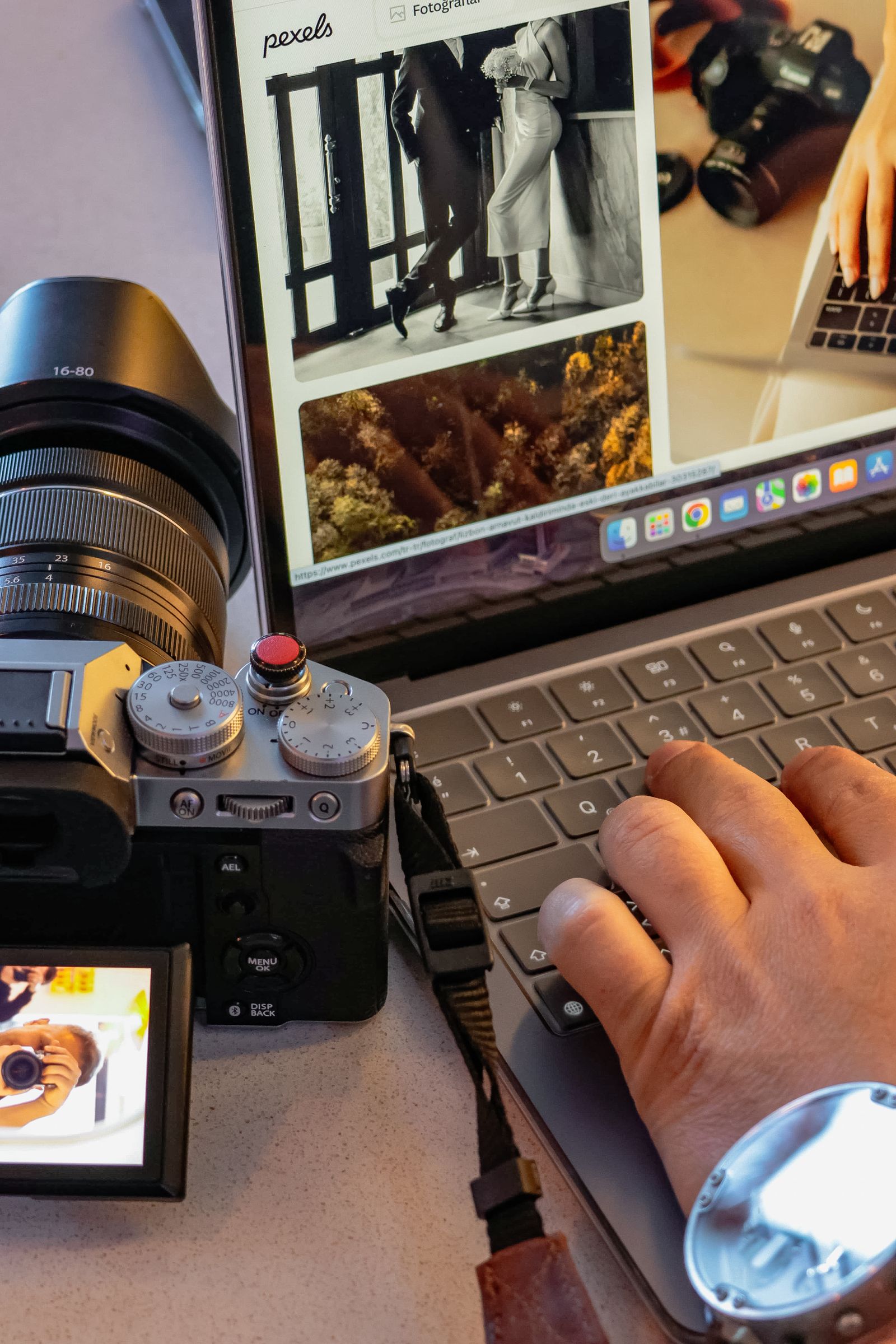
Photo by Ebahir on Pexels.
The Real Goal
The real goal is not to make every photograph beautiful. It is to become more awake to what the photograph is doing.
You want to notice the bright edge before it steals the frame. You want to see the background merger before it ruins the portrait. You want to feel when the gesture has not peaked yet. You want to know when sharpness matters and when it is only hiding a weak picture. You want to edit without defending your effort.
Better photographers are not just better at operating cameras. They are better at recognizing visual consequences. They know what the frame includes, what it excludes, where attention goes, and why one moment matters more than the next.
That is the eye you are trying to develop. Not a taste for expensive gear. Not loyalty to rules. A disciplined habit of seeing, choosing, comparing, and learning from the result.
When that habit starts to form, photography changes. You stop hoping that the memory card contains a good image. You start recognizing one while it is still in front of you.