A Split Portrait Full of Presence and Mystery
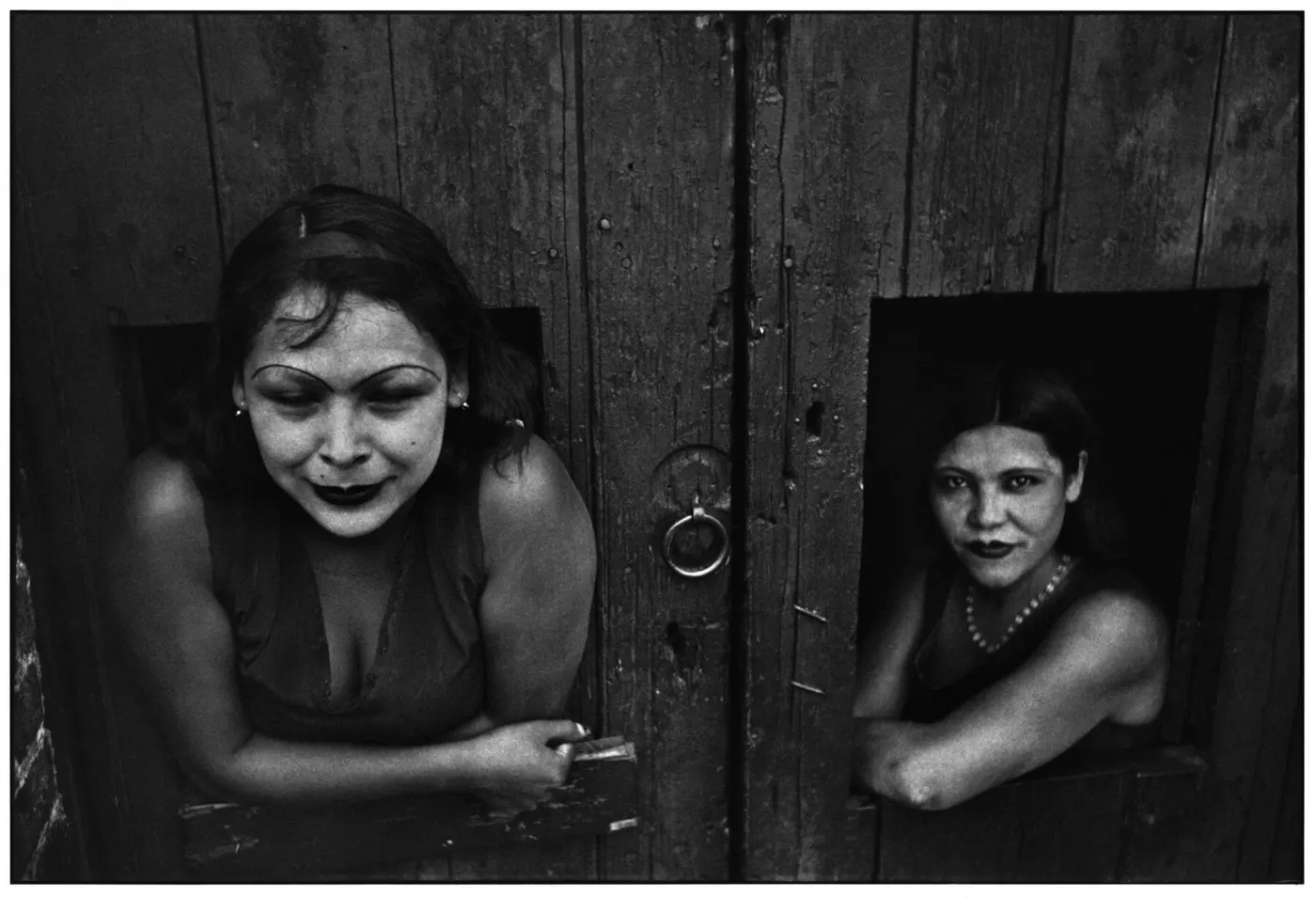
This black-and-white portrait turns two small openings in a weathered wooden door into a stage for contrast, connection, and atmosphere. Its power comes from the tension between structure and expression: rough planks, deep shadow, and two distinct faces held in a single unforgettable arrangement.
Watch the video
This photograph is memorable because it transforms a simple doorway into a charged visual encounter. Two women appear through separate openings in old wooden boards, and the frame immediately feels both formal and alive. The image holds together through strong structure, but what stays with you is the human presence inside that structure: one figure carries physical weight, the other delivers direct psychological force. In monochrome, every surface and gesture becomes more distilled, making the portrait feel timeless and exact.
A dual portrait built on contrast
The composition is compelling from the first glance because the two openings create a natural split-screen. The woman on the left occupies more space and arrives first as a solid visual anchor, while the woman on the right counters that mass with a steadier, more concentrated presence. Their different positions, expressions, and scale give the image tension without breaking its unity. The photograph feels carefully seen because both halves are distinct, yet inseparable.

The two figures create a vivid balance between physical weight and emotional intensity.
The right-hand gaze gives the image its charge
The most magnetic detail is the woman on the right looking directly outward from the darkness. Her eye contact sharpens the entire scene. Surrounded by deep shadow, her face emerges with unusual clarity and intention, and that directness makes the viewer pause. It is a small area of the frame, but it carries enormous narrative energy, turning the photograph from a study of form into a human encounter.

The direct gaze creates an immediate and lasting emotional connection.
Structure turns the scene into design
The central seam of the wooden doors and the ring handle give the photograph a crisp internal architecture. These vertical and circular elements organize the space and make the image feel deliberate rather than incidental. The split between the two women is not only narrative but geometric, and the hardware at center acts like a visual hinge between the two portraits. That structural clarity is one reason the frame feels so complete.

The central seam and ring handle give the portrait a strong, elegant framework.
Texture becomes part of the portrait
The aged wood is not just background; it is one of the image’s great expressive elements. The worn grain, scratches, and darkened surface add history and tactile richness, giving the scene a sense of place that feels fully inhabited. In black and white, those surfaces become even more resonant. The rough wood sets off the smoother tones of skin and fabric, making the people feel more present by contrast.
The weathered wood gives the photograph atmosphere, depth, and a powerful sense of place.
Monochrome deepens the mood
The black-and-white treatment is essential to the image’s character. By removing color, the photograph concentrates attention on tone, shadow, shape, and expression. The dark openings read as pockets of mystery, while the faces and bare arms emerge with sculptural force against them. This tonal compression gives the scene its moody, intimate quality and helps unify the many details into one coherent emotional register.
The monochrome palette heightens mystery and makes every shape and expression more vivid.
Why this photograph stands out
What makes this photograph so enduring is the way it combines immediacy with design. It is a portrait, a study of texture, and a piece of visual architecture all at once. The doorway divides the frame, but the image feels deeply connected: two faces, two openings, one atmosphere. That fusion of human presence and formal control is what gives the picture its distinctive power.
About the photographer
Henri Cartier-Bresson
Henri Cartier-Bresson was renowned for capturing spontaneous moments of human life with remarkable precision and timing. He pioneered the idea of the “decisive moment”—waiting for the instant when gesture, emotion, geometry, and circumstance come together perfectly. His photographs are known for elegant composition, natural light, and an ability to find extraordinary meaning in ordinary scenes. His work helped establish street photography as both a documentary practice and a form of visual art.